
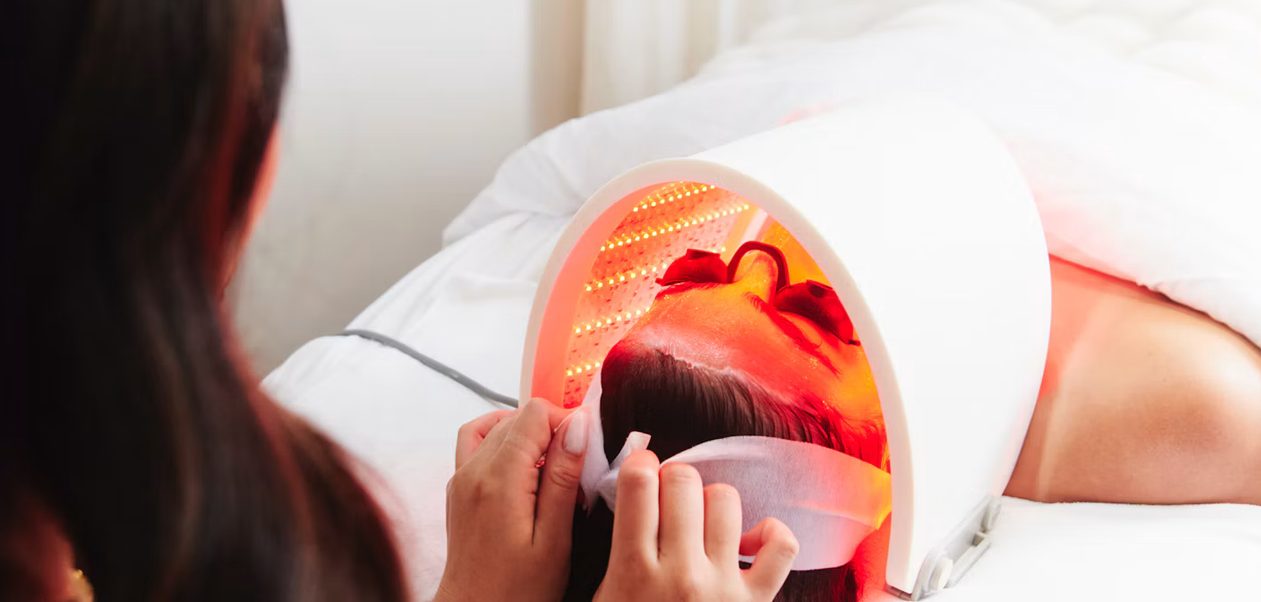
Skin sensitivity matters in light-based treatments because people can respond differently to the same exposure conditions. Factors such as skin type, existing irritation, medication use, and previous reactions to light can influence how the skin tolerates treatment. This is particularly relevant when comparing professional procedures with red light therapy devices for home use where exposure settings and supervision may differ. Medical professionals consider these variables to understand potential risks and determine whether adjustments are necessary before treatment begins. Wavelength, light intensity, and exposure duration can also influence the overall experience. Examining the relationship between skin sensitivity and light exposure helps explain why individual assessment remains an important part of planning light-based treatments safely and appropriately.
How Light Interacts With Different Skin Types
Light-based treatments work by directing specific wavelengths of energy toward the skin or underlying tissues. Depending on the treatment, this energy may be absorbed by pigments, blood vessels, water, or other biological components. Melanin, the pigment responsible for much of the skin’s natural color, plays an important role because it absorbs certain wavelengths of light. Differences in melanin concentration can influence how energy is distributed within the skin, potentially affecting treatment responses and the likelihood of unwanted reactions. Skin thickness, hydration, and tissue composition also contribute to these differences. Consequently, medical professionals consider individual skin characteristics rather than assuming that identical treatment settings will produce identical outcomes.
The Importance of Existing Skin Conditions
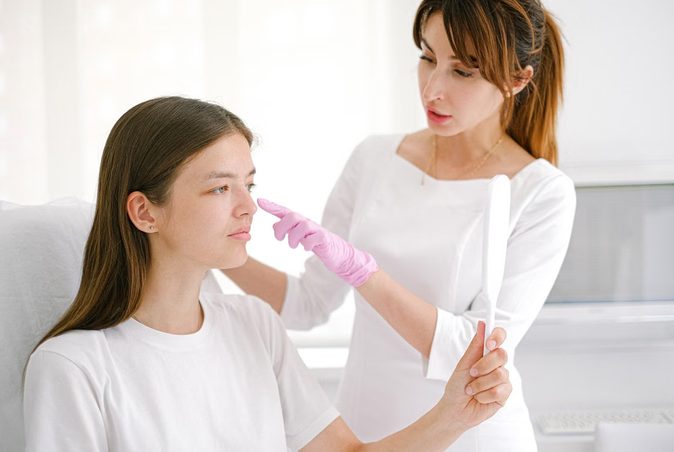
Existing skin conditions can influence how the body responds to light exposure. Conditions involving inflammation, disrupted skin barriers, or increased sensitivity may make certain treatments less suitable or require additional precautions. For example, people with active dermatitis, eczema, or significant irritation may be more likely to experience discomfort during some light-based procedures. Certain medications can also increase photosensitivity, meaning the skin becomes more reactive to light than usual. These reactions may involve redness, burning sensations, swelling, or other changes. Reviewing medical history and current skin conditions helps professionals identify factors that could influence treatment tolerance and determine whether further assessment is necessary before proceeding.
Why Treatment Wavelength and Intensity Matter
Different light-based treatments use different wavelengths and energy levels, making treatment specifications important when considering skin sensitivity. Intense pulsed light and certain laser procedures target specific structures within the skin, while red light therapy generally involves lower energy exposure and different biological mechanisms. The amount of energy absorbed depends on the wavelength, treatment intensity, exposure duration, and characteristics of the targeted tissue. Excessive or inappropriate exposure can contribute to unwanted skin reactions, although the nature of these effects varies between treatment types. Medical professionals evaluate these variables to understand how a procedure interacts with the skin and whether it can achieve its intended effects without unnecessary irritation or injury.
Skin sensitivity influences how individuals respond to light-based treatments, making it an important part of medical assessment. Factors such as pigmentation, existing skin conditions, medication use, wavelength, and treatment intensity can affect the likelihood of unwanted reactions. Considering these differences allows medical professionals to evaluate treatment suitability and account for individual variations in skin response.